


Reflexology in Wokingham, Berkshire
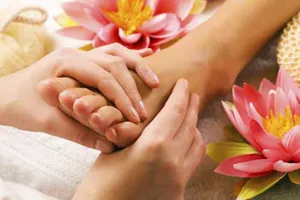
Reflexology is a safe, gentle and non-invasive complementary therapy that uses precise pressure techniques applied to the feet, and sometimes the hands or ears, to promote balance and wellbeing throughout the body. It is suitable for people of all ages and is particularly valued for its deeply relaxing effect and its support of hormonal health, fertility, stress-related conditions and digestive problems.
At Wokingham Therapy Clinic, our reflexologist brings specialist expertise in women's health and has helped many clients with hormonal and reproductive concerns. If you would like to find out whether reflexology is right for you, please contact us.
On this page
- What is reflexology?
- History
- What can reflexology treat?
- How reflexology works
- What to expect during your session
- Frequently asked questions
- Therapist vacancy
What is reflexology?
Reflexology is a complementary therapy based on the principle that specific points on the feet correspond to organs, glands and systems throughout the body. By applying precise pressure to these reflex points, a reflexologist can influence the corresponding areas of the body, helping to restore balance, release tension and support the body's natural healing processes.
It is more than a foot massage – although it is certainly relaxing – and involves systematic, focused work on the reflex map of the feet. Treatment may be applied with or without oil. Reflexology is non-invasive and you remain fully clothed apart from removing your shoes and socks.
It is suitable for all ages, from infants to the elderly, and is considered gentle enough for people with complex health conditions, those recovering from illness or surgery, and pregnant women (from the second trimester onwards).
History
Forms of foot therapy have been practised for thousands of years, with evidence of foot pressure work found in ancient Egyptian carvings dating back to around 2,400 BC, as well as in traditional Chinese and Native American medicine. The modern system of reflexology as practised in the West was developed in the early twentieth century, with zone therapy developed by Dr William Fitzgerald and the detailed foot maps identified by Eunice D. Ingham in the 1930s, which are still the basis of reflexology practice today.
What can reflexology treat?
Reflexology can be beneficial alongside conventional healthcare for a wide range of conditions, including:
- Hormonal health – PMT, irregular periods, polycystic ovary syndrome (PCOS), endometriosis, menopause and perimenopause
- Fertility – supporting natural conception and IVF cycles
- Pregnancy – relieving back pain, swollen ankles, nausea and fatigue (from second trimester)
- Digestive disorders – IBS, constipation, bloating
- Stress and anxiety – calming the nervous system and reducing the physical effects of chronic stress
- Insomnia and sleep problems
- Headaches and migraines
- Allergies and hay fever
- Arthritis – reducing pain and improving mobility
- Asthma and respiratory conditions
- Sinusitis
- Depression and low mood
- Fatigue and low energy
Reflexology is also widely used as a preventative therapy and for general health maintenance and relaxation, particularly for people with busy or stressful lives.
How reflexology works
The precise mechanism by which reflexology works is not yet fully understood, and the therapy is considered complementary rather than a replacement for conventional medicine. Several theories have been proposed, including that reflexology works via the nervous system – stimulating nerve endings in the feet sends signals to the corresponding areas of the body, influencing function. Others suggest it works through the release of endorphins and other neurochemicals that promote relaxation and pain relief.
From a traditional Chinese medicine perspective, reflexology works by stimulating the flow of Qi (vital energy) through the meridian system, removing blockages that cause pain, dysfunction and disease. This perspective is consistent with the use of similar foot points in Chinese medicine for thousands of years.
Whatever the mechanism, the clinical experience of many thousands of practitioners and patients supports reflexology as a genuinely therapeutic intervention that can produce meaningful improvements in health and wellbeing.
What to expect during your session
Your initial reflexology session will begin with a consultation in which your reflexologist takes a detailed medical history, asks about your current health concerns and discusses what you would like to achieve from treatment. This helps your reflexologist tailor the treatment specifically to your needs.
You will then remove your shoes and socks and be seated on a massage bed in one of our comfortable treatment rooms. Your feet will be cleansed before treatment begins. Your reflexologist will use specific thumb and finger pressure techniques, working systematically across the reflex map of the feet. Particular attention is paid to areas that feel tender or congested, which may indicate imbalance in the corresponding body system.
Sessions typically last 60 minutes and leave most clients feeling deeply calm, relaxed and grounded. It is common to feel sleepy after treatment. It is recommended to drink plenty of water after your session to support the detoxification process that can occur following reflexology.
Frequently asked questions
Is reflexology painful?
Reflexology should not be painful. You may feel sensitivity or tenderness at certain points, which can indicate areas of imbalance, but the pressure should always be within your comfort level. Your reflexologist will check in with you throughout and adjust the pressure if needed.
How many sessions will I need?
This depends on your health goals and condition. Many people notice relaxation and a sense of wellbeing from their first session. For chronic conditions, a course of four to six regular sessions is typically recommended to allow cumulative benefits to build. Your reflexologist will advise on a treatment plan at your initial appointment.
Can reflexology be used during pregnancy?
Yes, from the second trimester onwards. Reflexology is popular during pregnancy for relieving back pain, swollen ankles, nausea, fatigue and stress. Our reflexologist has specific training and experience in maternity reflexology and will adapt the treatment appropriately. Please mention that you are pregnant when booking.
Do I need to undress?
No. You only need to remove your shoes and socks. Reflexology is a non-invasive therapy that does not require undressing, which many clients find reassuring.
Therapist vacancy
We are currently looking for a qualified reflexologist to join our team at Wokingham Therapy Clinic. If you would like to rent a treatment room and practise within our established clinic in the heart of Wokingham town centre, please get in touch.